
"coffee plant smuggling"
300 article(s) found

World Coffee History Ethiopian Shepherds find Red Coffee fruits
In the sixth century, Ethiopian shepherds discovered red coffee fruits. In the eleventh century, Arab merchants spread coffee to Europe. In the 16th century, Franz Geora Kolschitzky, a Viennese, established the first coffee shop in Europe. He also started the trend of drinking coffee with milk. In 1554, coffee in Istanbul became black gold, and it was very popular with Ethiopian shepherds in the sixth century.

Coffee is the history of entering China.-when will coffee enter China?
Introduced into the Arab world: in 525 AD, Ethiopian troops invaded Yemen, and coffee beans were brought to Yemen by soldiers. According to records, coffee trees began to be planted in Yemen in 575 AD. Later, coffee beans were also brought to Egypt by Sudanese black slaves who were shipped to Egypt. After coffee was introduced into the Arab world, it was initially used by Arabs as a herb to treat migraine and promote elimination.
Introduction to the spread History and latest Information of Fine Coffee Raw Bean
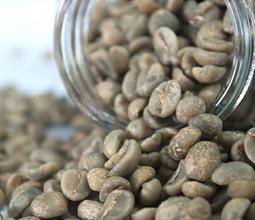
Raw coffee beans are the seeds of coffee trees. It is the wealth hidden in coffee cherries (coffee berries) that people usually call coffee cherries. They are mistakenly called beans because they are similar to the beans we usually see, but they are actually the seeds of coffee. Usually there are two flat oval coffee beans in the coffee berries, and there is only one in a few coffee berries.

Introduction to the flavor of El Salvador Himalayan coffee boutique coffee manor with sweet almond or tea flavor
Yejassefi's coffee trees were planted by European monks (a bit like Belgian monks growing wheat to brew beer) and were later transferred to farmers or cooperatives. Yejia Xuefei is actually constructed by surrounding coffee communities or cooperatives, including Edido Idido, Hafusa Harfusa, Hama Hama, Biloya, near Fog Valley Misty valley, all washed with water, but also

Introduction to the Flavor description Price of Tanzania's Fine Coffee beans
The national average annual output of wheat is 70, 000 tons, and the largest wheat production unit is the HANNANG wheat complex, which is composed of several farms with a total planting area of 4000 hectares. These farms are located in the Hannang district of Arusha and are all autonomous subsidiaries of NAFCO. In the 1970s, NAFCO developed and operated these farms with the help of the Canadian International Development Agency (CIDA)

Honduran coffee growing and improvement programme? Honduras coffee beans export status?
Professional coffee knowledge exchange More coffee bean information Please pay attention to coffee workshop (Weixin Official Accounts cafe_style) Honduras coffee planting and improvement plan? Honduras coffee beans export status? According to the Honduras Las Cafes Bureau (IHCAFE), producers have increased their acreage because of the rise in international bean prices. There are two main factors: (1) coinciding with each

What does Santos Coffee mean? How's the Brazilian Santos coffee? is it good?
Professional coffee knowledge exchange more coffee bean information please follow the coffee workshop (Wechat official account cafe_style) Brazilian coffee; Brazil is currently the world's largest coffee producer, so Brazilian beans are also one of the indispensable protagonists of all comprehensive coffee. Brazilian Santos coffee, exported from the port of Sao Paulo, is the highest grade of Brazilian coffee, beautiful in appearance and even in its aroma.

Introduction to the production area of Yega Chefevoca Coffee Bean Flavor description Grinding scale Variety treatment
Yega Xuefei is divided into two categories according to the different ways of handling raw coffee beans: category An is washed, and the grade standard is set by the American Fine Coffee Association SCAA, which is divided into Gr-1;Gr-2, the smaller the Arabic numeral, the higher the grade, and the distinct style of G1 Yega Chefe. The flavor of citrus and floral flavor in the coffee liquid is irresistible to everyone; Class B is the sun-treated raw coffee beans.

Tanzania coffee boutique coffee beans introduce flavor and taste manors in producing areas
Wheat: the national average annual output of wheat is 70, 000 tons, and the largest wheat production unit is the HANNANG wheat complex, which is composed of several farms with a total planting area of 4000 hectares. These farms are located in the Hannang district of Arusha and are all autonomous subsidiaries of NAFCO. In the 1970s, NAFCO developed and operated these with the help of the Canadian International Development Agency (CIDA).

Yega Sheffivoka boutique coffee bean flavor and taste characteristics of individual coffee
Yejassefi's coffee trees were planted by European monks (a bit like Belgian monks growing wheat to brew beer) and were later transferred to farmers or cooperatives. Yejia Xuefei is actually constructed by surrounding coffee communities or cooperatives, including Edido Idido, Hafusa Harfusa, Hama Hama, Biloya, near Fog Valley Misty valley, all washed with water, but also

Flavor description of coffee manor in Arusha, Tanzania introduction of fine coffee in taste producing area
Tanzania's main coffee producing area, located at the foot of Mount Kilimanjaro, is rich in volcanic soil. Some coffee trees planted here are more than 100 years old. Coffee was first introduced by Christians from Kenya to grow coffee. Coffee trees must be carefully taken care of, weeded and fertilized. And old branches must be cut off so that new branches can grow to maintain the quality of coffee beans.
The history of the spread of coffee, how is coffee popular? Why do Europeans like to drink coffee?
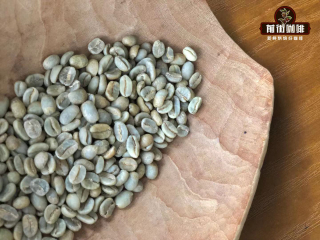
Coffee spread history: the earliest coffee originated in Ethiopia. In 525 AD, Ethiopian troops invaded Yemen, coffee beans carried by Ethiopian soldiers were also brought to Yemen, and coffee seeds also took root in Yemen. Later, coffee seeds were transported from Yemen to Egypt, and coffee was introduced.

Introduction to the Flavor description of Sunshine Yega Coffee g1Aricha Coffee Variety Grinding scale
Sun Yega Snow Coffee g1Aricha Coffee Flavor description varieties Grinding scale introduces that Africa is the hometown of coffee. Coffee trees are likely to be found in Ethiopia's KAFFA province. Later, batches of slaves were sold from Africa to Yemen and the Arabian Peninsula, and coffee was taken everywhere along the way. To be sure, Yemen was already in the 15th century or earlier

World Coffee History in the sixth Century Ethiopian shepherds discover red coffee fruits
In the sixth century, Ethiopian shepherds discovered red coffee fruits. In the eleventh century, Arab merchants spread coffee to Europe. In the 16th century, Franz Geora Kolschitzky, a Viennese, established the first coffee shop in Europe. He also started the trend of drinking coffee with milk. In 1554, coffee in Istanbul became black gold, and it was very popular with Ethiopian shepherds in the sixth century.

Fragrant Tanzanian coffee boutique coffee bean flavor manor production area introduction
The coffee beans are of extraordinary quality and are produced in the Mohi district near Mount Kilimanjaro. The mountain area with a height of 3,000 to 6,000 feet is the most suitable area for growing coffee. Fertile volcanic ash gives the coffee here a strong texture and soft acidity. It exudes delicate aromas and contains aromas of wine and fruit, giving people an aftertaste.

Uganda Coffee Bean Flavor Description Grind Scale Variety Taste Manor Treatment Introduction
In order to improve coffee quality and reduce costs, Uganda abolished the exclusive rights of the Coffee Marketing Board (CMB) in November 1990. Most of the work previously undertaken by the Coffee Marketing Committee has now been transferred to cooperative organizations. Privatized coffee plants account for two-thirds of the country's export revenue, so the government imposed a tax on coffee plants.

The sixth History of European Culture on the Coffee Table Colonial Coffee Garden, a microcosm of cosmopolitanism
After 350 years of drinking a cup of coffee-colonial coffee gardens, a microcosm of cosmopolitanism, the coffee tasted by Europeans after the 17th century is no longer Arabian coffee beans from the East. When cafes quickly became popular in Europe, adventurous businessmen targeted the coffee trade, figuring out the huge profits behind growing and buying and selling coffee. The overseas of the old colonial empire of the Netherlands

Introduction of Coffee from 53 Coffee producing areas in the World (3)
twenty-one. Venezuela oil was once considered the main export of Venezuela (Venezuela). Although coffee trees were introduced from Martinique in 1730 and Venezuela, coffee production was almost abandoned at the height of the oil industry. Recently, coffee plantations have begun to recover, with original Tipica and bourbon coffee trees and new plantations

Brazilian Coffee Bean Brand-Brazilian Hirado Coffee beans? which brand of Brazilian coffee tastes good?
Professional coffee knowledge exchange more coffee bean information please follow the coffee workshop (Wechat official account cafe_style) Brazilian coffee beans Syrador coffee brewing demonstration Brazil-Cerrado Natural 2 contains nutty aroma, taste fine and clean. The aroma is moderate, the entrance feels soft and smooth, with a slight sweetness at the end. Coffee beans: Brazil Cerrado Natura

Introduction to how to taste espresso, characteristics of espresso, grinding and calibration treatment
How to taste espresso practice characteristics grinding scale treatment is generally divided into: espresso, American coffee, single coffee because we are testing espresso today, we mainly talk about espresso. The first espresso machine in history appeared in 1901 and was designed and made by Luigi Bezzara of Milan, Italy.